Exceptional Rainfall in 2024: A 41% Boost in Morocco’s Cereal Harvest and Food Security
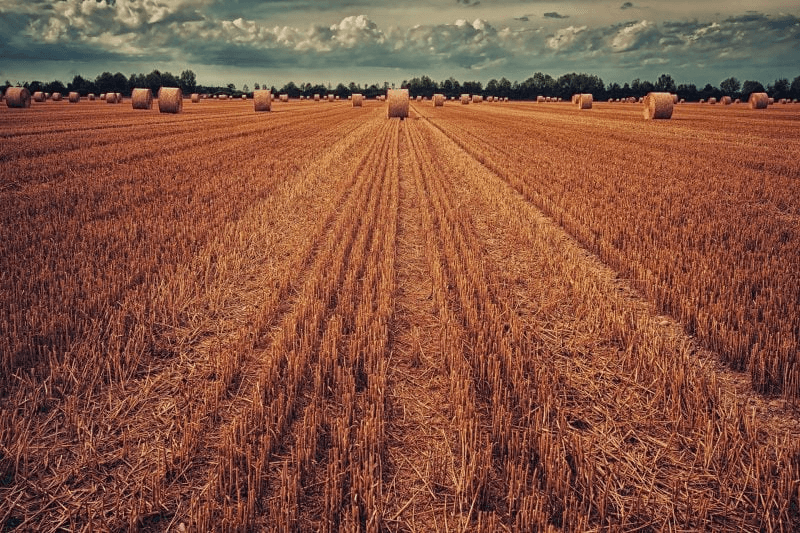
In 2024, Morocco experienced record-breaking rainfall, increasing cereal production by 41%. This exceptional agricultural season not only strengthened national food security but also revived hope for farmers after years of drought. Discover the regions that benefited most, the economic impact, and how this climate event may influence the next planting season.
The exceptional rainfall of 2024 has transformed Morocco’s agricultural landscape, delivering a spectacular 41% increase in cereal harvest compared to the previous year. This remarkable achievement marks a turning point for Moroccan agriculture, coming after several consecutive years of severe drought that had tested farmers’ resilience and placed national food security at risk. The abundant precipitation was especially beneficial for Morocco’s traditional cereal-growing regions, including Gharb, Saïss, and Chaouia, where fertile soils and well-timed rainfall created ideal growing conditions. Reservoirs and dams reached historic filling levels, exceeding 80% of their capacity, ensuring optimal irrigation for agricultural lands throughout the growing season. Beyond the fields, the effects of this record harvest are already evident in both domestic and international markets. Locally, cereal prices have stabilized, providing direct relief to Moroccan consumers. On the global stage, the production surplus has enabled Morocco to increase cereal exports, strengthening its position in international trade and improving the country’s agricultural trade balance. Experts believe that this exceptional year offers valuable lessons for future agricultural policy. While favorable weather played a decisive role, the integration of modern irrigation systems, climate-resilient crop varieties, and sustainable farming practices will be crucial to maintaining productivity in the face of climate uncertainty. The 2024 season stands as proof that Morocco, with the right combination of natural conditions and strategic agricultural planning, can achieve both economic growth and food security. For farmers, policymakers, and traders, this year represents not only a milestone but also a call to invest in long-term resilience to ensure such successes can be repeated despite future climate challenges.
Key Points
- 41% boost in cereal harvest compared to 2023
- Record dam filling exceeding 80% of capacity
- Significant strengthening of national food security
- Stabilization of cereal prices in local markets
- Improvement of Morocco's export position
- Reduction in cereal import dependency
Related Posts
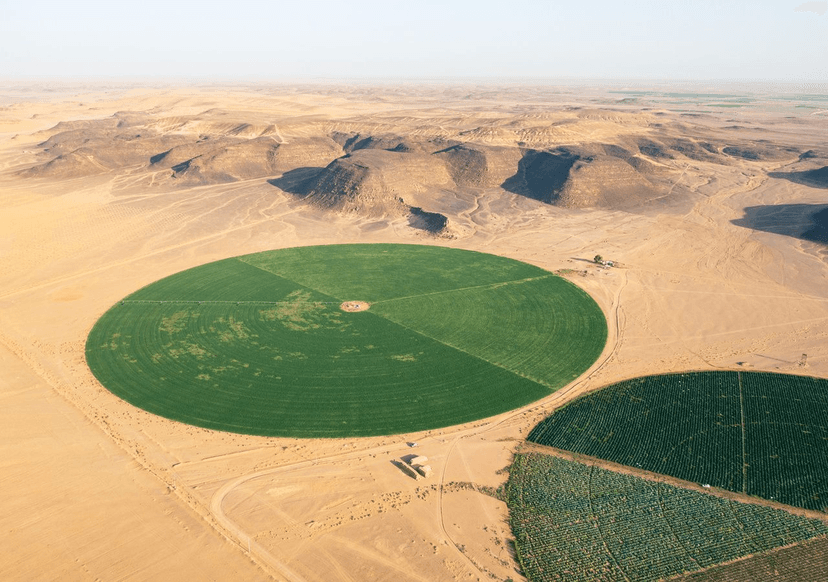
From Sand to Orchards: Regenerative Farming Transforms Morocco’s Desert into Green Oases
Thanks to regenerative agriculture techniques such as solar-powered water pumping, precision drip irrigation, and biochar soil enrichment, the 'Sand to Green' project is turning Morocco’s arid desert into fertile orchards. Learn how this sustainable approach is combating desertification, creating jobs, and supporting rural communities.
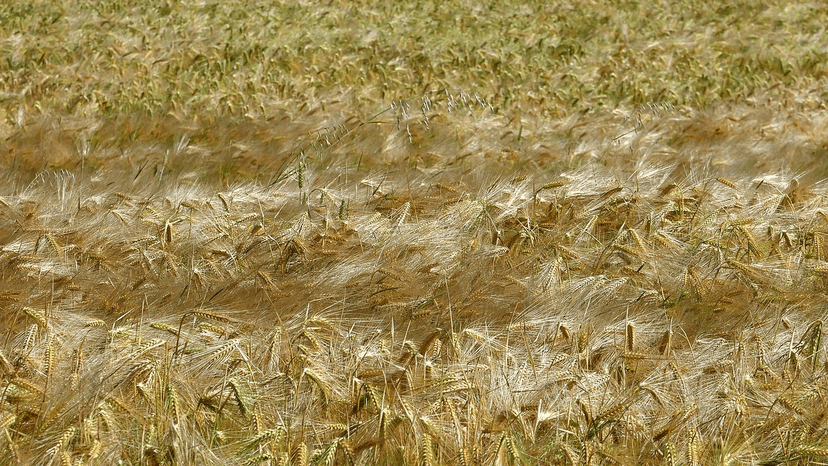
No-Till Farming in Morocco: A Strategic Step Toward Water Conservation and Climate Resilience
Morocco is scaling up no-till farming practices to preserve soil moisture, prevent erosion, and reduce fuel consumption in agriculture. This climate-smart approach not only improves crop yields but also plays a vital role in adapting to water scarcity and increasing long-term agricultural sustainability.