
From Sand to Orchards: Regenerative Farming Transforms Morocco’s Desert into Green Oases
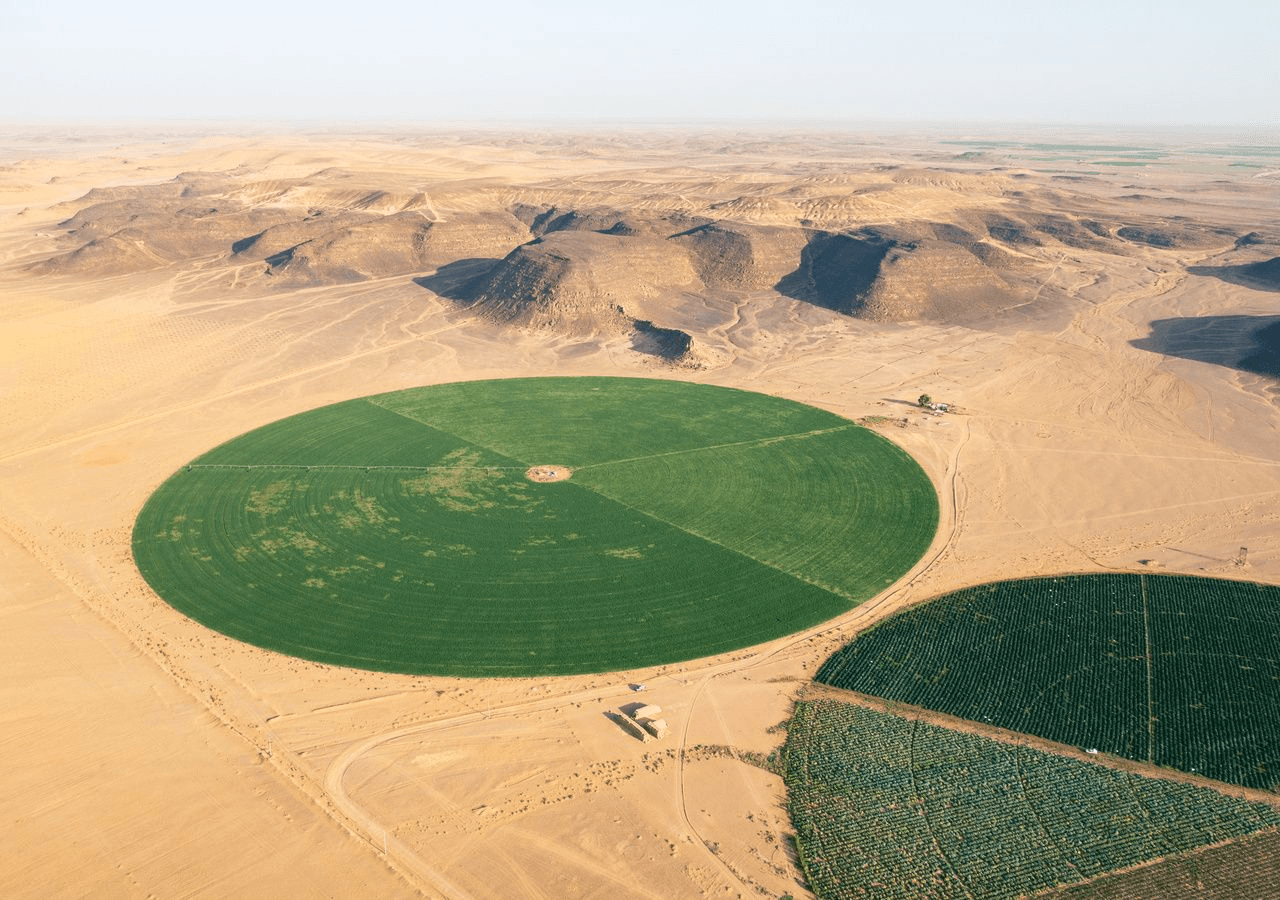
Thanks to regenerative agriculture techniques such as solar-powered water pumping, precision drip irrigation, and biochar soil enrichment, the 'Sand to Green' project is turning Morocco’s arid desert into fertile orchards. Learn how this sustainable approach is combating desertification, creating jobs, and supporting rural communities.
The revolutionary “From Sand to Orchards” project is radically transforming Morocco’s arid deserts into productive and sustainable agricultural zones. This ambitious regenerative agriculture initiative proves that even the most hostile lands can be converted into fertile oases, creating new economic and environmental opportunities for rural communities. At the heart of this transformation lies a sophisticated solar-powered pumping system paired with precision drip irrigation. Photovoltaic panels generate clean energy to extract water from deep aquifers, while drip systems deliver it directly to plant roots, drastically reducing waste. This efficient combination makes it possible to cultivate fruit trees and vegetables in regions where traditional farming methods were once unthinkable. Another key innovation is the use of biochar, a form of plant-based charcoal made from agricultural waste. This porous, nutrient-rich material improves desert soils by retaining water, enhancing nutrient availability, and creating a favorable environment for root development. Over time, biochar helps rebuild soil fertility and resilience, enabling crops to thrive even under extreme climatic conditions. The results have been nothing short of spectacular. Lush orchards and green landscapes now stand where only barren sand existed, restoring biodiversity, reducing desertification, and boosting local food production. Farmers benefit from increased yields, stable incomes, and access to new markets, while communities gain sustainable livelihoods.Beyond its agricultural impact, the “From Sand to Orchards” project serves as a model for climate adaptation in water-scarce regions worldwide. By integrating renewable energy, water-efficient irrigation, and soil regeneration, Morocco is proving that innovative farming techniques can turn environmental challenges into opportunities for growth and resilience.
Key Points
- Transformation of 100 hectares of desert into productive orchards
- Solar pumping system powering drip irrigation
- Use of biochar to regenerate desert soils
- Creation of local jobs in disadvantaged rural areas
- Production of high-quality organic fruits and vegetables
- Reproducible model for other arid regions of Morocco
Related Posts
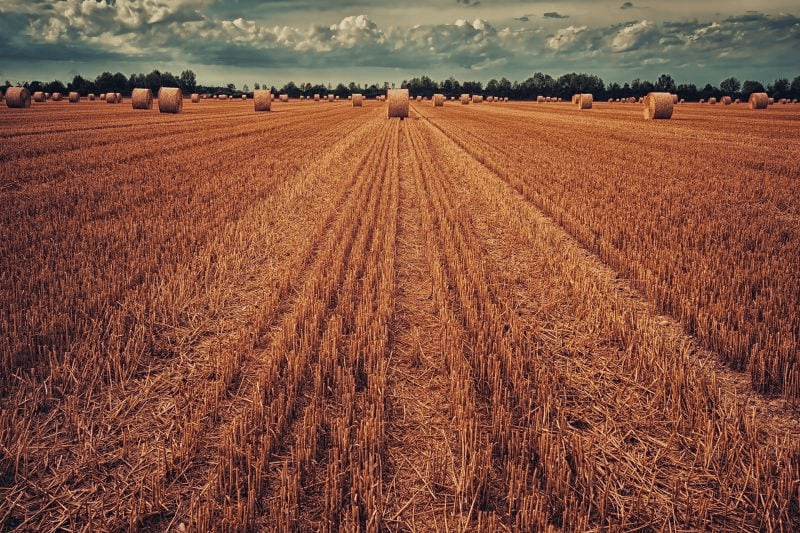
Exceptional Rainfall in 2024: A 41% Boost in Morocco’s Cereal Harvest and Food Security
In 2024, Morocco experienced record-breaking rainfall, increasing cereal production by 41%. This exceptional agricultural season not only strengthened national food security but also revived hope for farmers after years of drought. Discover the regions that benefited most, the economic impact, and how this climate event may influence the next planting season.
No-Till Farming in Morocco: A Strategic Step Toward Water Conservation and Climate Resilience
Morocco is scaling up no-till farming practices to preserve soil moisture, prevent erosion, and reduce fuel consumption in agriculture. This climate-smart approach not only improves crop yields but also plays a vital role in adapting to water scarcity and increasing long-term agricultural sustainability.