
No-Till Farming in Morocco: A Strategic Step Toward Water Conservation and Climate Resilience
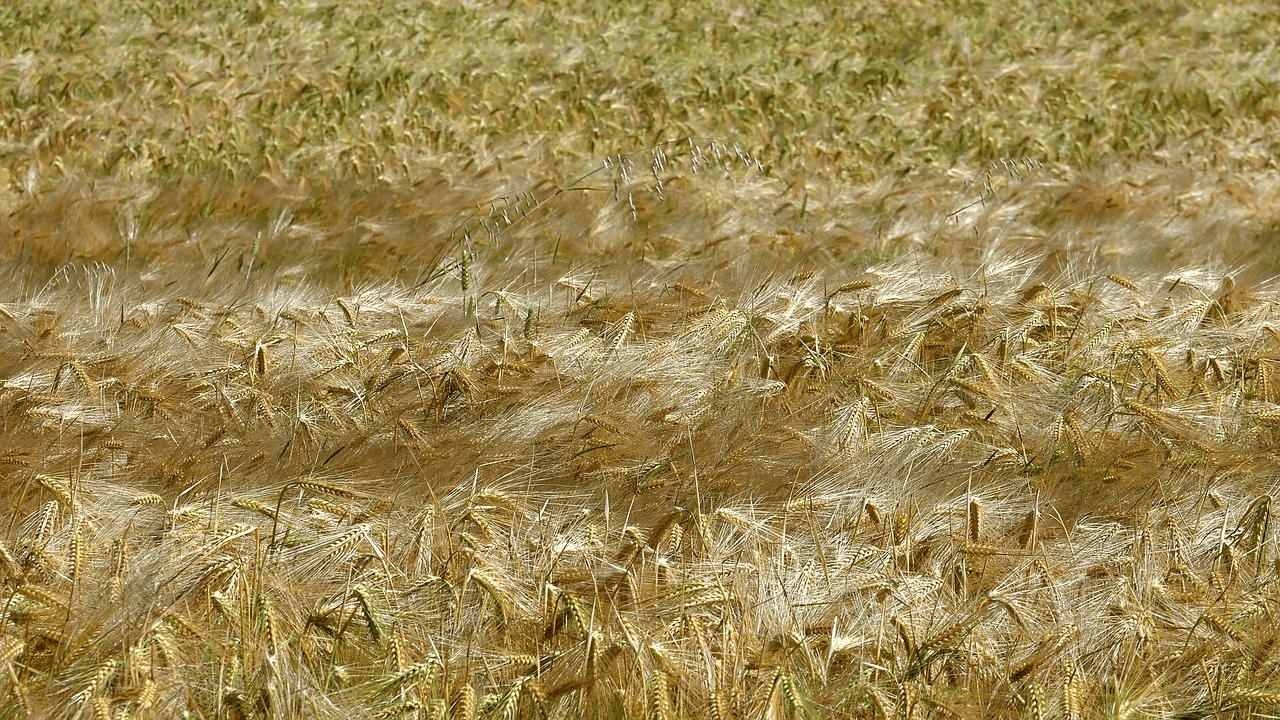
Morocco is scaling up no-till farming practices to preserve soil moisture, prevent erosion, and reduce fuel consumption in agriculture. This climate-smart approach not only improves crop yields but also plays a vital role in adapting to water scarcity and increasing long-term agricultural sustainability.
Morocco is making a resolute commitment to the adoption of no-till farming, an innovative agricultural practice poised to transform the country’s farming landscape. Also known as conservation agriculture, this method involves cultivating crops without plowing or turning the soil, thereby preserving its natural structure and protecting beneficial microorganisms that are essential for healthy plant growth.In the Moroccan context, the benefits are particularly significant. By avoiding tillage, farmers greatly reduce soil erosion, a persistent challenge in mountainous and semi-arid regions. No-till practices also improve water retention, which is critical in a country where water scarcity is a growing concern due to climate change. These improvements not only protect agricultural land but also increase long-term productivity. Recognizing its potential, the Moroccan government has launched an ambitious national program to accelerate adoption. This includes subsidies for the purchase of specialized seeders adapted to no-till farming, as well as training programs delivered through regional agricultural centers. Farmers receive hands-on instruction in soil management, residue retention, and crop rotation techniques that enhance the effectiveness of no-till systems.The results are already promising. In pilot areas where no-till farming has been implemented, yields have increased by up to 15%, while input costs—such as fuel and labor—have been reduced. Moreover, the practice contributes to carbon sequestration, making it an important tool in Morocco’s strategy for climate change mitigation.As more farmers embrace this sustainable approach, Morocco positions itself as a regional leader in conservation agriculture. No-till farming not only offers a path toward greater food security but also helps safeguard the country’s natural resources for future generations.
Key Points
- 70% reduction in soil erosion due to absence of tillage
- 30% water savings through better soil retention
- 15% increase in yields in pilot areas
- 25% reduction in production costs
- Improvement of soil biodiversity
- Training of 500 farmers in new techniques
Related Posts
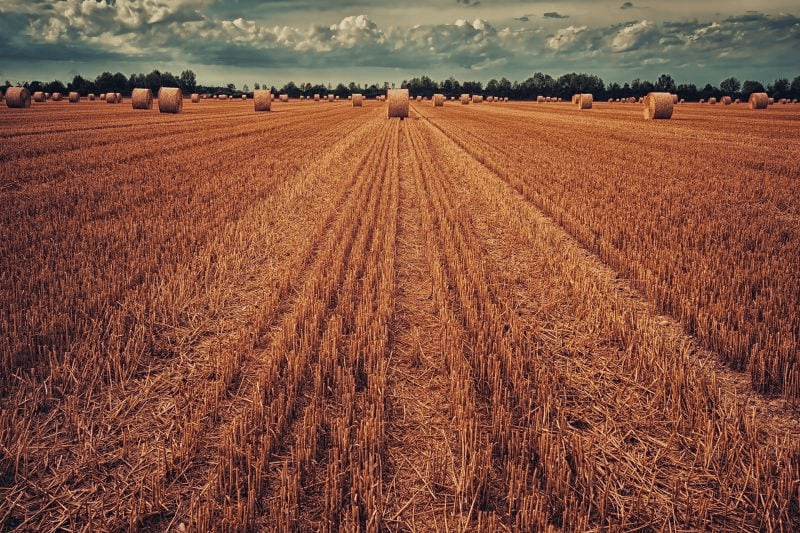
Exceptional Rainfall in 2024: A 41% Boost in Morocco’s Cereal Harvest and Food Security
In 2024, Morocco experienced record-breaking rainfall, increasing cereal production by 41%. This exceptional agricultural season not only strengthened national food security but also revived hope for farmers after years of drought. Discover the regions that benefited most, the economic impact, and how this climate event may influence the next planting season.
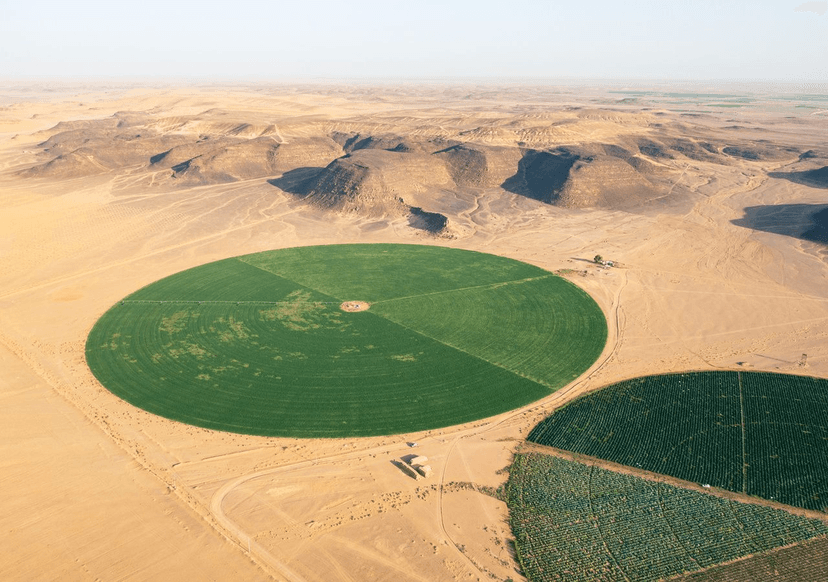
From Sand to Orchards: Regenerative Farming Transforms Morocco’s Desert into Green Oases
Thanks to regenerative agriculture techniques such as solar-powered water pumping, precision drip irrigation, and biochar soil enrichment, the 'Sand to Green' project is turning Morocco’s arid desert into fertile orchards. Learn how this sustainable approach is combating desertification, creating jobs, and supporting rural communities.