European Green Deal: A Historic Opportunity to Modernize and Sustain Morocco’s Agriculture
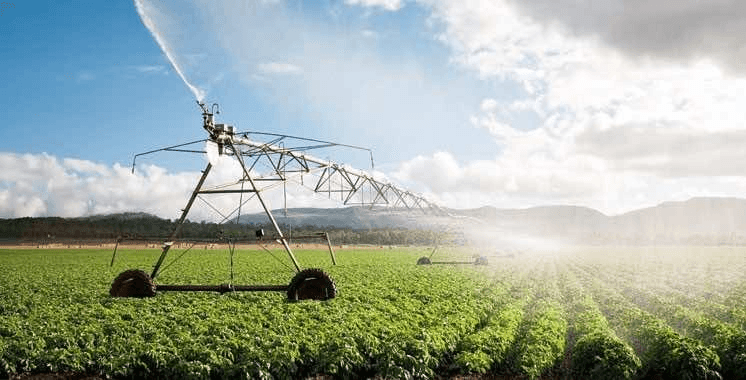
The European Green Deal opens new horizons for Moroccan agriculture by promoting sustainable practices, renewable energy integration, and eco-friendly exports. Morocco’s Minister of Agriculture views this as a chance to strengthen competitiveness in EU markets while enhancing environmental protection.
The European Green Deal offers Morocco a unique opportunity to modernize its agricultural sector and strengthen its competitive position in European markets. This ambitious European Union initiative aims to make Europe climate-neutral by 2050, introducing strict environmental standards for imports while also providing financial and technical support to trading partners willing to adapt.The Moroccan Minister of Agriculture has welcomed the Green Deal as a chance to transform the national agricultural model, aligning it with the highest international sustainability standards. While these new rules will require adjustments, they also open the door to premium market segments in Europe where consumers increasingly favor eco-certified and responsibly produced goods. Morocco is already recognized as a leader in sustainable agriculture in Africa, and the momentum is growing. Investments in green technologies, organic farming, and renewable energy are accelerating. Solar-powered irrigation systems, integrated pest management, and water-efficient farming techniques are becoming more widespread. Environmental certification is also gaining traction, with more Moroccan producers obtaining EU organic certification and other eco-labels that enhance trust and market access. This transition not only improves competitiveness but also stimulates rural employment, as green farming methods often require specialized skills. Beyond direct economic benefits, the alignment with the Green Deal strengthens Morocco’s trade relationship with the European Union, its largest export market for agricultural products. By embracing sustainable production, Morocco is well-positioned to capture a larger share of the EU’s growing demand for responsibly produced fruits, vegetables, and cereals.The European Green Deal is not just a regulatory challenge—it is a strategic opportunity for Morocco to secure long-term agricultural growth, enhance food security, and become a benchmark for sustainable farming in the Mediterranean region.
Key Points
- 40% increase in agricultural exports to the EU since 2020
- 2 billion euro investment in sustainable agriculture
- Organic certification of 15% of agricultural land
- Creation of 50,000 green jobs in the agricultural sector
- 30% reduction in CO2 emissions from the agricultural sector
- Partnership agreements with 10 European countries
Related Posts
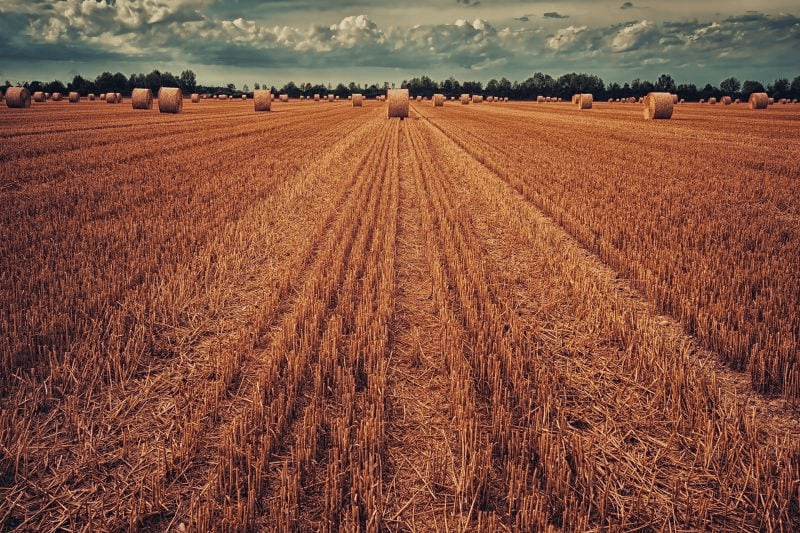
Exceptional Rainfall in 2024: A 41% Boost in Morocco’s Cereal Harvest and Food Security
In 2024, Morocco experienced record-breaking rainfall, increasing cereal production by 41%. This exceptional agricultural season not only strengthened national food security but also revived hope for farmers after years of drought. Discover the regions that benefited most, the economic impact, and how this climate event may influence the next planting season.
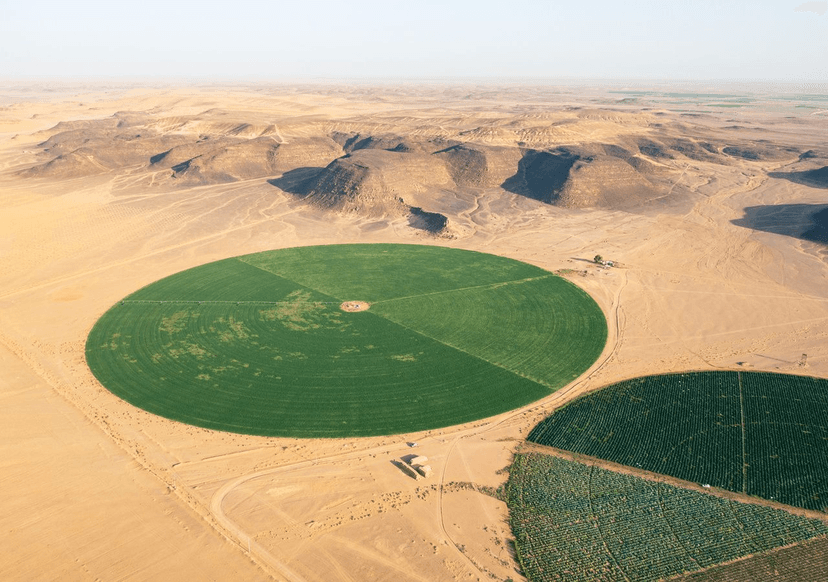
From Sand to Orchards: Regenerative Farming Transforms Morocco’s Desert into Green Oases
Thanks to regenerative agriculture techniques such as solar-powered water pumping, precision drip irrigation, and biochar soil enrichment, the 'Sand to Green' project is turning Morocco’s arid desert into fertile orchards. Learn how this sustainable approach is combating desertification, creating jobs, and supporting rural communities.