Food Quality Standards in Morocco: Guaranteeing Safety, Sustainability, and Global Competitiveness
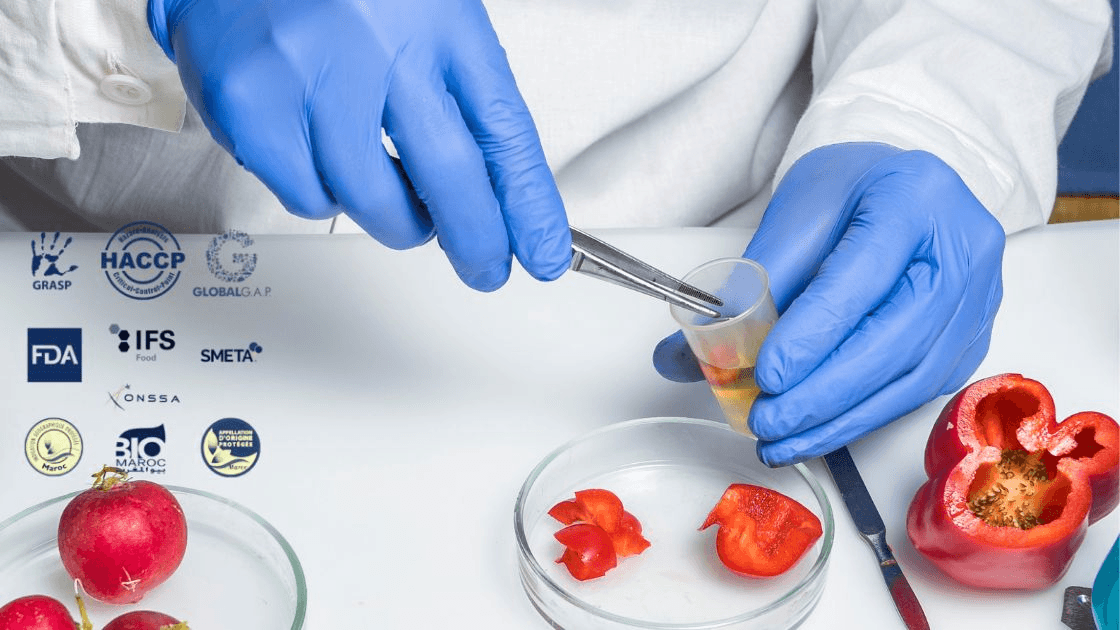
Morocco is committed to meeting international food safety standards through ISO certifications, traceability systems, and Good Agricultural Practices (GAP). These measures not only ensure the safety of exports but also build trust among global consumers and open new trade opportunities.
In today’s competitive agri-food market, standards and quality have become essential to guaranteeing the safety and reliability of Moroccan food products. Morocco has implemented a comprehensive quality control system aligned with the strictest international requirements, including ISO standards and Good Agricultural Practices (GAP). The certification process begins at the very first stage of production. Farmers undergo strict controls on the use of pesticides, fertilizers, and seeds to ensure sustainable and safe farming. Continuous training programs help agricultural producers adopt best practices in crop management, irrigation efficiency, and pest control. Farms are subject to regular audits, allowing potential issues to be identified and addressed before they affect product quality. Morocco’s food safety infrastructure is backed by state-of-the-art laboratories equipped with advanced technology to detect contaminants, pesticide residues, and harmful pathogens. Every batch of exported products is tested under rigorous protocols, ensuring full compliance with the quality and safety standards required by global markets. Thanks to this proactive approach, Morocco has achieved a 99.5% compliance rate in its food exports—one of the highest in the region. This track record has strengthened trust among international buyers, positioning Moroccan products as high-quality and reliable in markets such as the European Union, the Middle East, and North America. The country’s commitment to quality also supports its broader strategy for agricultural competitiveness. By maintaining world-class standards, Morocco not only safeguards public health but also ensures the long-term sustainability and reputation of its agricultural exports. With global demand for safe, traceable, and eco-friendly food on the rise, Morocco’s rigorous approach to quality control stands as a competitive advantage, opening new opportunities in premium markets worldwide.
Key Points
- 99.5% compliance rate on export markets
- ISO 22000 certification for 80% of exporting companies
- Training of 10,000 farmers in good practices
- 15 internationally accredited analysis laboratories
- Complete traceability from farm to table
- Mutual recognition agreements with 25 countries
Related Posts
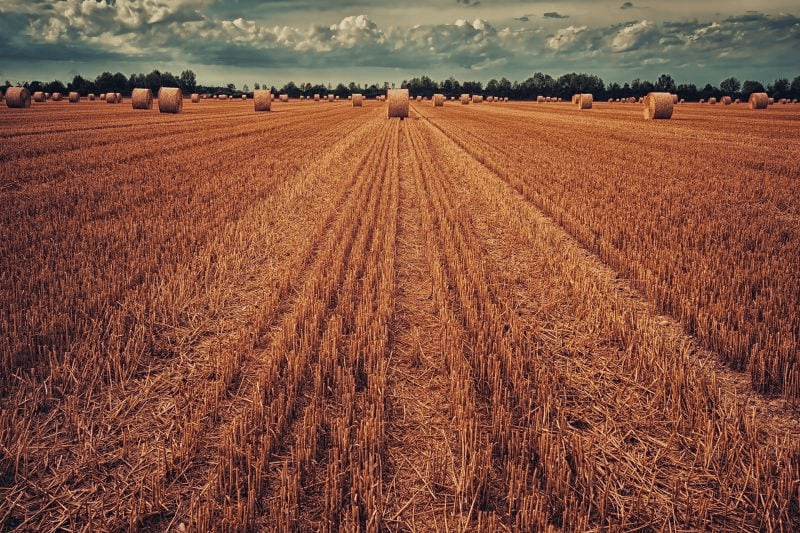
Exceptional Rainfall in 2024: A 41% Boost in Morocco’s Cereal Harvest and Food Security
In 2024, Morocco experienced record-breaking rainfall, increasing cereal production by 41%. This exceptional agricultural season not only strengthened national food security but also revived hope for farmers after years of drought. Discover the regions that benefited most, the economic impact, and how this climate event may influence the next planting season.
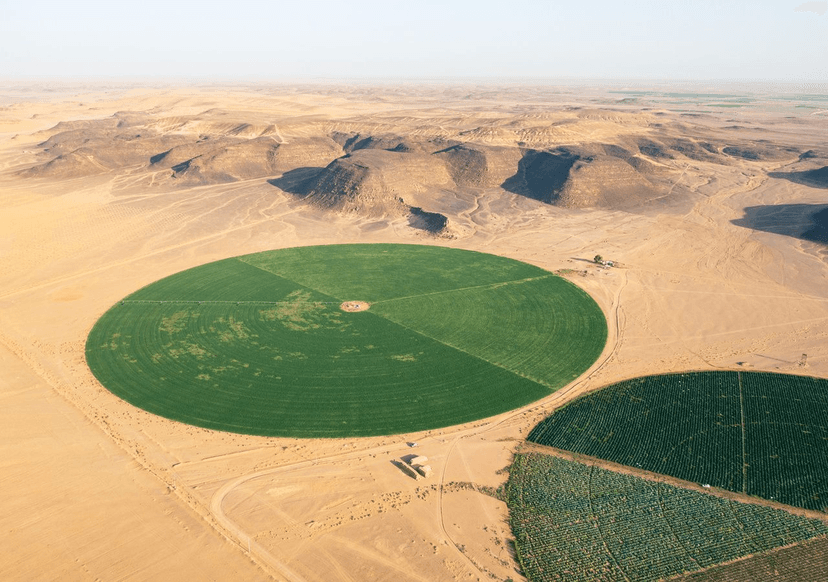
From Sand to Orchards: Regenerative Farming Transforms Morocco’s Desert into Green Oases
Thanks to regenerative agriculture techniques such as solar-powered water pumping, precision drip irrigation, and biochar soil enrichment, the 'Sand to Green' project is turning Morocco’s arid desert into fertile orchards. Learn how this sustainable approach is combating desertification, creating jobs, and supporting rural communities.