
Oasis Irrigation Innovation in Morocco: Combining Tradition and Technology for a Sustainable Future
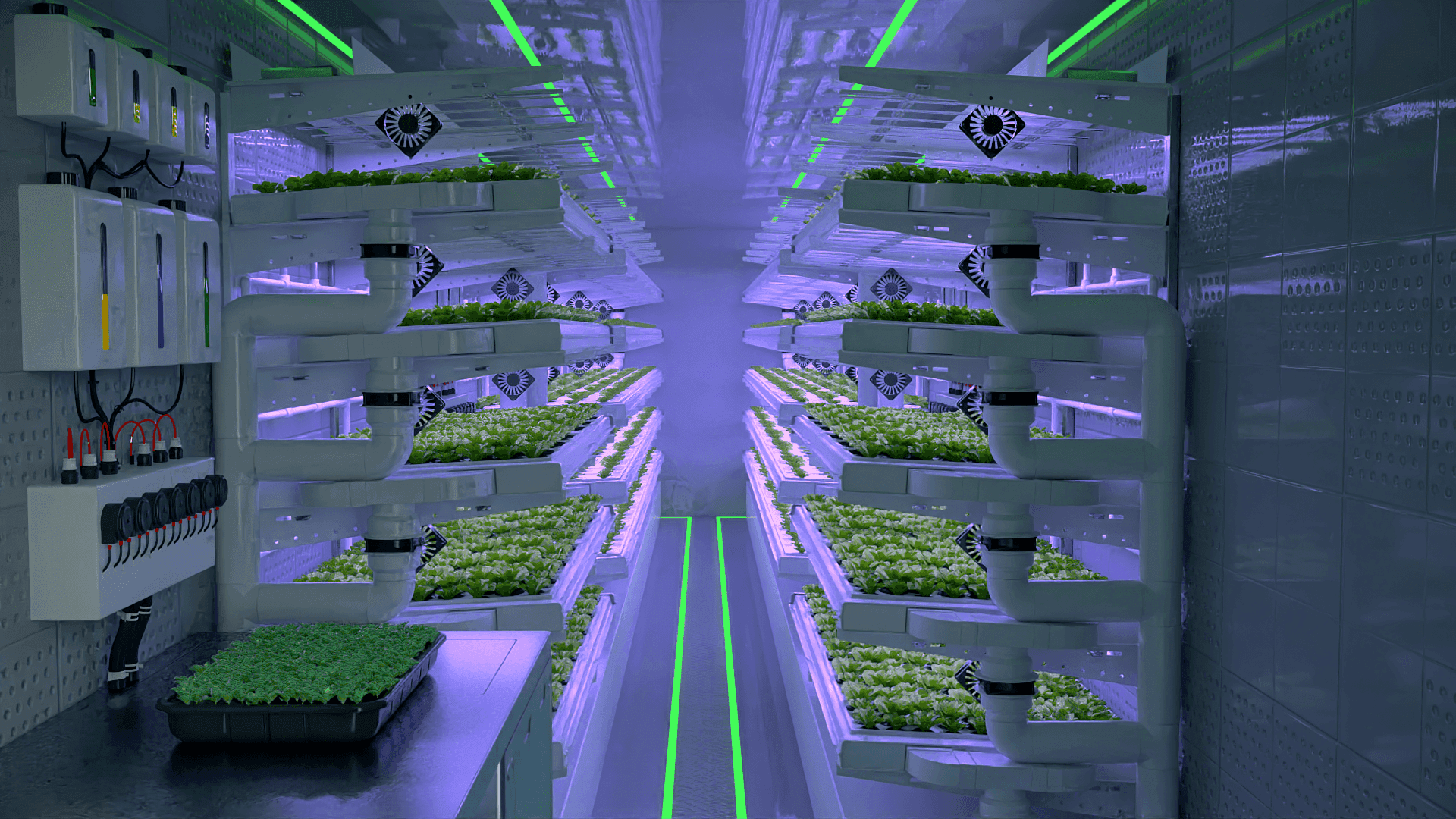
Morocco’s oases are adopting innovative irrigation systems—such as solar pumping, automated water distribution, and water-saving sensors—while preserving centuries-old techniques. This blend of tradition and technology protects biodiversity, supports local livelihoods, and strengthens climate resilience.
Moroccan oases, emblematic treasures of the desert, are facing unprecedented threats due to climate change, dwindling water resources, and increasing demographic pressure, prompting the country to adopt an innovative preservation strategy that harmoniously blends advanced technology with ancestral know-how. At the heart of this transformation lies smart irrigation, a cutting-edge solution that employs soil sensors to monitor humidity, temperature, and salinity in real time, enabling precise water allocation according to the exact needs of each plant, thereby reducing consumption by up to 50% while boosting yields. This modern approach is complemented by the revival and modernization of traditional water management systems such as khettaras—ingenious underground galleries that capture and convey water—and seguias, open irrigation canals that distribute it to agricultural plots, now enhanced with filtration and flow-control mechanisms. Farmers, equipped with mobile applications, can remotely manage irrigation schedules and adjust water distribution instantly, ensuring optimal use of this vital resource while preventing waste. By integrating photovoltaic-powered pumping systems, these oases further embrace renewable energy, reducing their reliance on fossil fuels and ensuring a sustainable water supply. In addition, reforestation programs focusing on native drought-resistant species help stabilize soils, prevent desertification, and create microclimates conducive to biodiversity revival. Training programs and cooperative models empower local communities to adopt these innovations, fostering resilience while preserving the cultural heritage embedded in oasis agriculture. This hybrid approach—respecting time-tested traditions while leveraging modern science—has transformed once-vulnerable oases into resilient hubs of productivity, offering a model for arid-land agriculture worldwide and securing the future of Morocco’s desert jewels against the mounting pressures of the 21st century.
Key Points
- 50% reduction in water consumption through smart irrigation
- Modernization of 200 traditional khettaras
- Installation of 1000 IoT sensors in oases
- Training of 500 farmers in new technologies
- Preservation of 50,000 hectares of oases
- 30% increase in agricultural yields
Related Posts
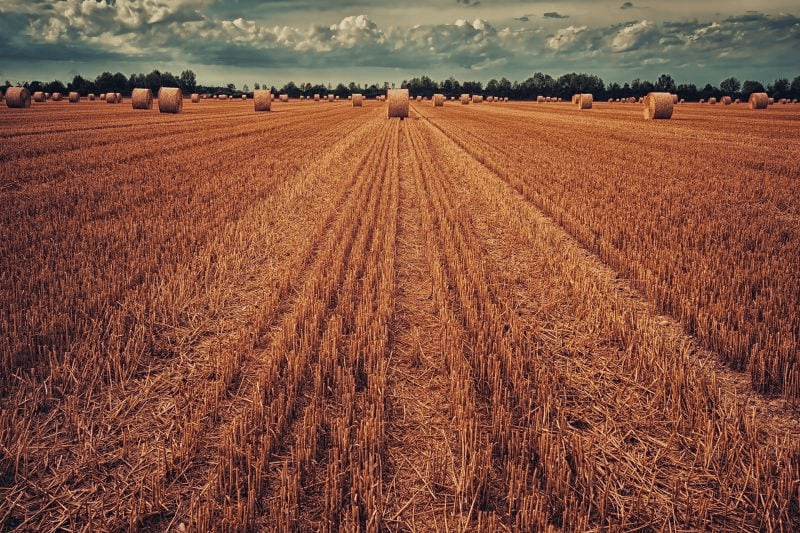
Exceptional Rainfall in 2024: A 41% Boost in Morocco’s Cereal Harvest and Food Security
In 2024, Morocco experienced record-breaking rainfall, increasing cereal production by 41%. This exceptional agricultural season not only strengthened national food security but also revived hope for farmers after years of drought. Discover the regions that benefited most, the economic impact, and how this climate event may influence the next planting season.
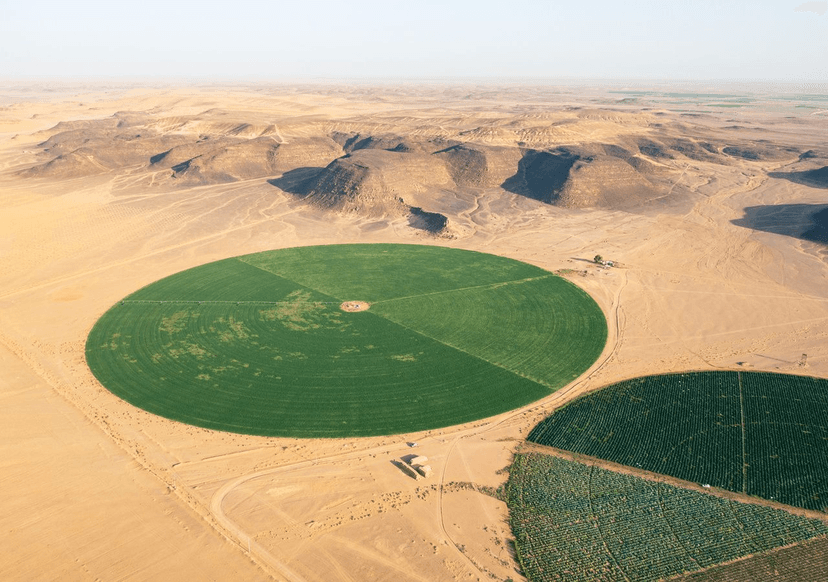
From Sand to Orchards: Regenerative Farming Transforms Morocco’s Desert into Green Oases
Thanks to regenerative agriculture techniques such as solar-powered water pumping, precision drip irrigation, and biochar soil enrichment, the 'Sand to Green' project is turning Morocco’s arid desert into fertile orchards. Learn how this sustainable approach is combating desertification, creating jobs, and supporting rural communities.