Morocco's Vegetable Exports to Spain Surge 24% in Q1 2025
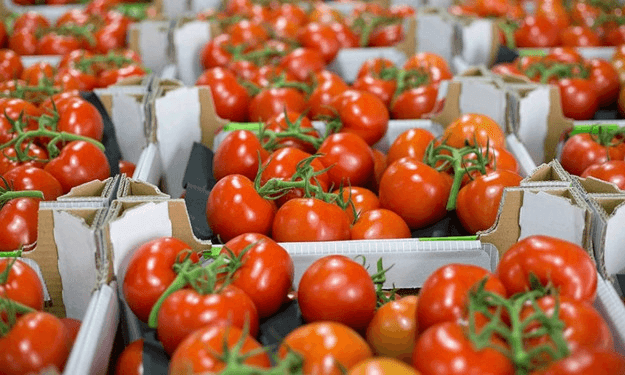
Spanish imports of Moroccan fruits and vegetables surged by 24% in volume and 23% in value during Q1 2025 compared to Q1 2024, reaching 188,076 tons worth €481 million.
In the first quarter of 2025, Morocco’s fruit and vegetable exports to Spain experienced exceptional momentum, solidifying the Kingdom’s position as a key player in the European fresh produce market. Spanish imports of Moroccan produce reached 188,076 tons worth €481 million, representing a 24% increase in volume and a 23% rise in value compared to Q1 2024. This performance is part of a steady upward trend since 2021, when exports stood at 156,229 tons valued at €311 million, marking a four-year growth of over 20% in volume and 54% in value. Tomatoes emerged as the star product, with exports surging 34% in volume to 32,313 tons and their value jumping more than 57% to over €52 million. Peppers maintained strong performance, with exports exceeding 32,000 tons (down just 2% in volume) but gaining 4% in value to reach €42 million. Green beans, however, saw a downturn, falling 17% in volume and 12% in value to €42 million. At the European Union level, Morocco’s exports also rose significantly, reaching 512,689 tons (+9%) and a record €1.121 billion in value (+14%) in Q1 2025. While tomato shipments to the EU fell 10% in volume to about 188,000 tons, their value remained steady at €369 million thanks to higher prices. Peppers recorded a 7% increase in value despite a slight decline in tonnage, and avocados achieved an exceptional leap — volumes doubled to 62,368 tons and value soared by 79% to €176.7 million. The surge is fueled by Morocco’s geographical proximity, efficient logistics, and competitive pricing, combined with an increasing focus on quality and compliance with EU standards. Between January and May 2025, Morocco became Spain’s top supplier by value, delivering €834 million worth of fresh produce — a 30% year-on-year increase — even though France remained ahead in total volume. However, this success is not without challenges. Spanish farmers have expressed growing concerns over what they view as unfair competition stemming from the EU-Morocco trade agreement, claiming it puts downward pressure on local prices. These tensions have led to protests, lobbying for stricter import controls, and even incidents of vandalism targeting Moroccan delivery trucks in Spain. On the Moroccan side, the rapid expansion of agricultural exports is adding pressure on water resources, as the country continues to face severe droughts and declining reservoir levels. Policymakers and producers are therefore being urged to invest in modern irrigation systems, desalination projects, and sustainable farming practices to ensure that export growth does not come at the expense of long-term environmental stability. Overall, the Q1 2025 figures highlight Morocco’s growing dominance in Spain’s and the EU’s fresh produce markets, with tomatoes, peppers, and an emerging avocado sector driving much of the momentum. If Morocco can manage environmental risks and navigate political tensions with EU partners, it stands to strengthen its position as one of Europe’s indispensable suppliers of fresh agricultural products in the years ahead.
Key Points
- 24% increase in volume to 188,076 tons
- 23% rise in value to €481 million
- Tomatoes up 34% in volume and 57% in value
- Peppers steady
- Green beans down
- EU exports up 9% in volume and 14% in value
- Avocado exports doubled
- Spain's top supplier by value
- Challenges: competition
- water
- protests
- Need for sustainable practices
Related Posts
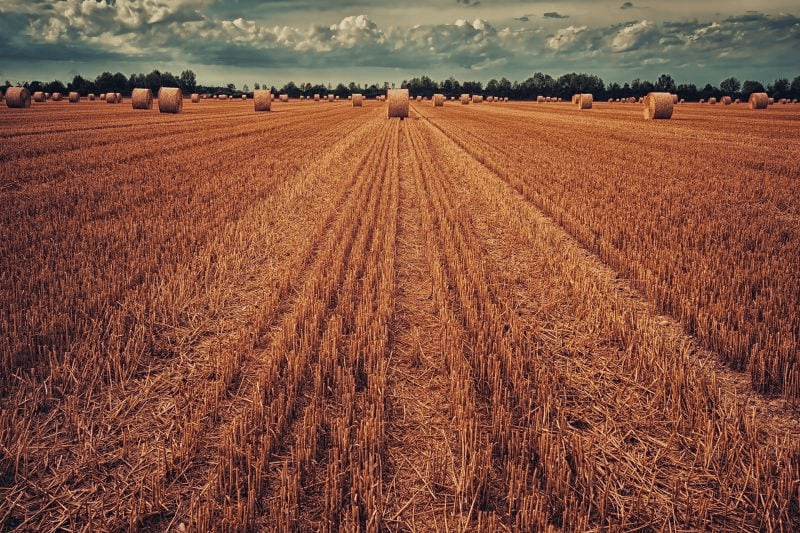
Exceptional Rainfall in 2024: A 41% Boost in Morocco’s Cereal Harvest and Food Security
In 2024, Morocco experienced record-breaking rainfall, increasing cereal production by 41%. This exceptional agricultural season not only strengthened national food security but also revived hope for farmers after years of drought. Discover the regions that benefited most, the economic impact, and how this climate event may influence the next planting season.
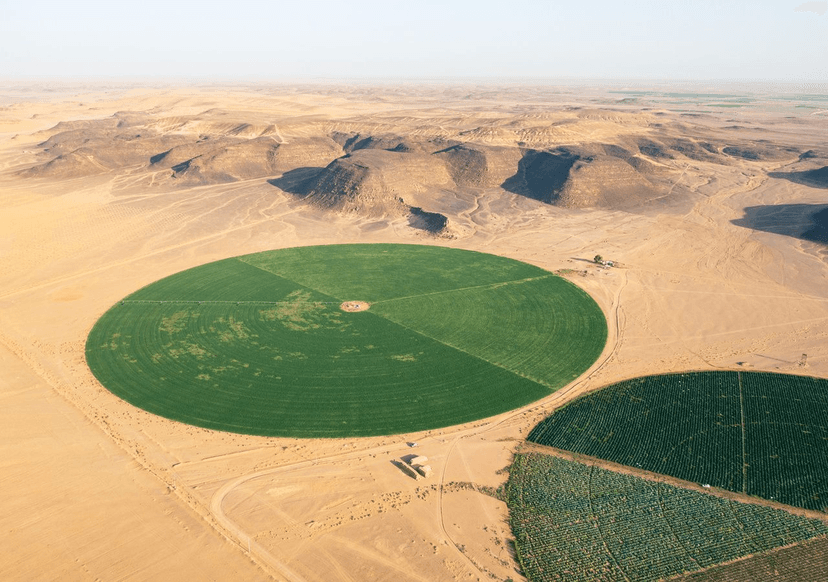
From Sand to Orchards: Regenerative Farming Transforms Morocco’s Desert into Green Oases
Thanks to regenerative agriculture techniques such as solar-powered water pumping, precision drip irrigation, and biochar soil enrichment, the 'Sand to Green' project is turning Morocco’s arid desert into fertile orchards. Learn how this sustainable approach is combating desertification, creating jobs, and supporting rural communities.