Morocco Strengthens Global Position with Advanced Farming Strategy
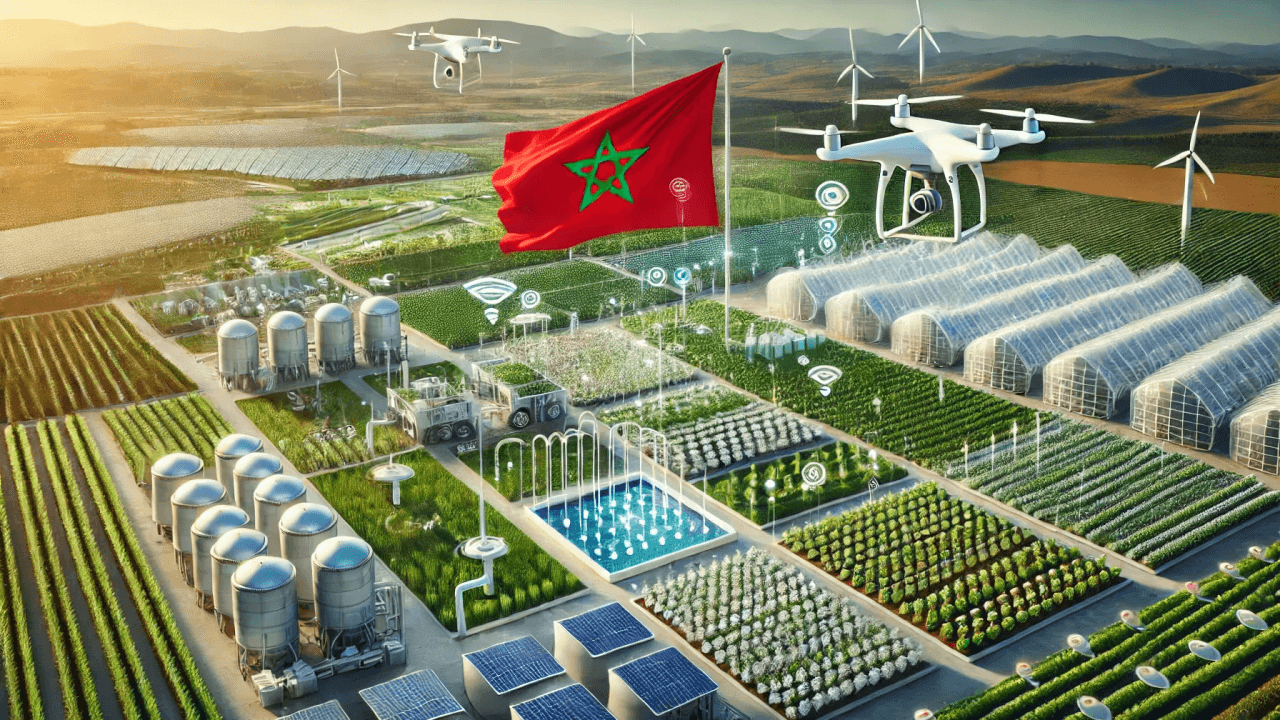
Morocco ranks among the three fastest-growing agricultural exporters globally, driven by strategic adoption of advanced technologies that boost both productivity and sustainability.
Morocco has emerged as one of the top three fastest-growing agricultural exporters in the world, achieving this status through a deliberate blend of technological innovation, sustainable farming practices, and strategic market diversification. Over the past decade, the country has transformed its agricultural sector into a global competitor, even while facing some of the harshest climate conditions in North Africa. Prolonged droughts, reduced rainfall, and mounting water scarcity have not slowed its progress; instead, they have accelerated the adoption of climate-smart agricultural techniques. Farmers and agri-businesses across Morocco are increasingly turning to precision irrigation systems, which deliver water directly to plant roots with minimal waste, alongside advanced soil fertility management, climate-resilient seed varieties, greenhouse production, and controlled-environment farming. These efforts have translated into remarkable results. Tomatoes, Morocco’s leading agricultural export, reached 690,000 tons in annual shipments, a 19% increase from the previous year, with non-round tomato varieties now making up 58% of the export mix—a shift that reflects growing global demand for specialty products. Blueberry exports have tripled in just five years, marking Morocco as one of the most dynamic players in the global berry market, while crops such as avocados, cucumbers, peppers, and strawberries are seeing strong year-on-year growth. This product diversification not only strengthens Morocco’s competitive position but also reduces its reliance on any single commodity, making the sector more resilient to market fluctuations. A key factor in Morocco’s rise is the strategic mindset of its agricultural companies. Industry leaders operate with a long-term vision, investing heavily in sustainability and efficiency. Many companies have appointed dedicated sustainability managers to oversee environmental compliance, resource optimization, and adaptation strategies to climate change. This commitment to responsible production has helped Morocco meet and often exceed the stringent quality and safety standards of major export markets, particularly in the European Union. At the same time, Morocco is broadening its reach beyond traditional buyers in Europe. In collaboration with the Food and Agriculture Organization (FAO) and the European Bank for Reconstruction and Development (EBRD), the country is actively promoting its produce in emerging markets in Southeast Asia, such as Singapore and Malaysia. These trade missions aim to establish Morocco as a reliable supplier of high-quality, sustainably produced fruits and vegetables in regions where demand for fresh produce is rising rapidly. This approach—rooted in technology adoption, sustainability, and market diversification—has allowed Morocco to grow its agricultural exports at one of the fastest rates globally. It demonstrates that even in an era of climate stress and intense international competition, a well-planned, innovation-driven agricultural strategy can deliver strong economic results, create jobs, strengthen food security, and enhance a nation’s global standing. If Morocco maintains this momentum, it is poised not only to consolidate its position in Europe but also to become a leading supplier to Asia, the Middle East, and beyond, shaping global fresh produce trade for years to come.
Key Points
- Top 3 fastest-growing exporters
- Tech innovation and sustainability
- 19% increase in tomato exports
- Blueberry exports tripled
- Diversification: avocados
- cucumbers
- peppers
- strawberries
- Strategic mindset and sustainability managers
- Expansion to Asia (Singapore
- Malaysia)
- Collaboration with FAO and EBRD
Related Posts
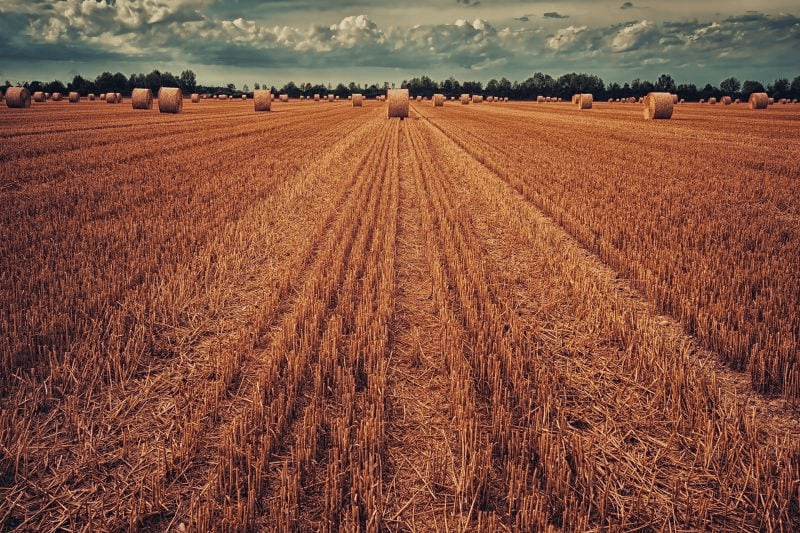
Exceptional Rainfall in 2024: A 41% Boost in Morocco’s Cereal Harvest and Food Security
In 2024, Morocco experienced record-breaking rainfall, increasing cereal production by 41%. This exceptional agricultural season not only strengthened national food security but also revived hope for farmers after years of drought. Discover the regions that benefited most, the economic impact, and how this climate event may influence the next planting season.
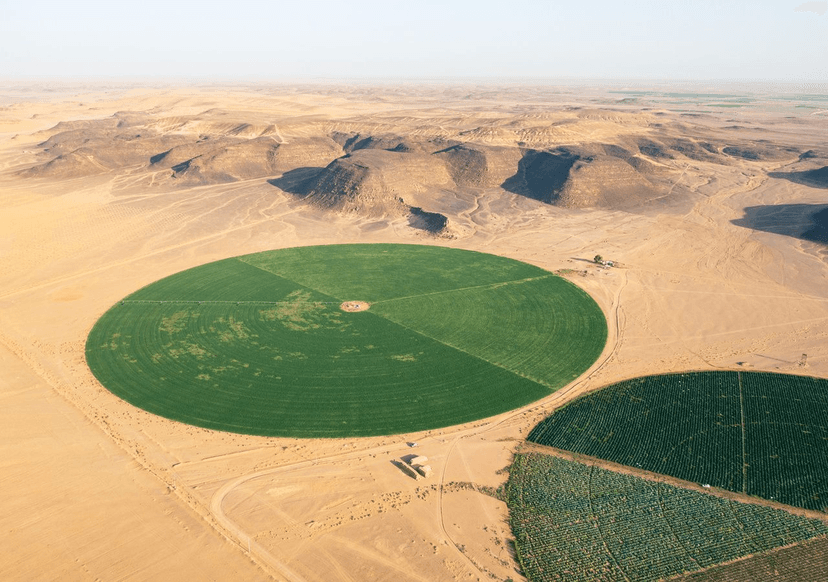
From Sand to Orchards: Regenerative Farming Transforms Morocco’s Desert into Green Oases
Thanks to regenerative agriculture techniques such as solar-powered water pumping, precision drip irrigation, and biochar soil enrichment, the 'Sand to Green' project is turning Morocco’s arid desert into fertile orchards. Learn how this sustainable approach is combating desertification, creating jobs, and supporting rural communities.