
Strong Recovery: Morocco's Exports Rebound 18% in 2024-2025 Season
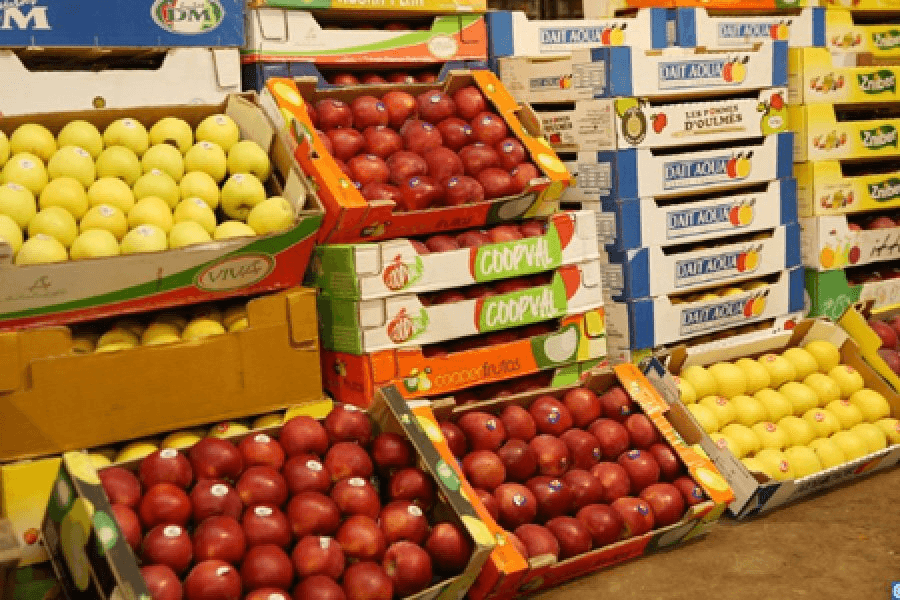
Morocco's fruit and vegetable exports rebounded strongly in the 2024-2025 season, climbing 18% year-on-year to reach 1.6 million tons with EU and UK accounting for 86% of exports.
Morocco’s fruit and vegetable exports experienced a remarkable rebound in the 2024–2025 season, registering an 18% year-on-year increase to reach 1.6 million tons. This surge marked a significant recovery after the previous season’s slowdown, which had been hindered by adverse weather conditions, rising production costs, and logistical disruptions in global trade. The rebound reflects both structural resilience in Morocco’s agricultural sector and the impact of targeted government measures to support farmers and exporters. The European Union and the United Kingdom remained the backbone of Morocco’s export market, together absorbing 86% of total shipments. The EU’s proximity, well-established trade agreements, and high demand for off-season produce make it a natural partner, while the UK’s growing reliance on Moroccan imports—especially after Brexit—has further strengthened bilateral trade flows. Beyond these core destinations, Morocco has been steadily expanding into emerging markets in the Middle East, North America, and parts of Asia, aiming to diversify its customer base and reduce vulnerability to fluctuations in European demand. Several key crops powered this recovery. Tomatoes maintained their status as Morocco’s flagship export, with increased greenhouse production enabling consistent supply even during colder months in Europe. Peppers, cucumbers, citrus fruits, berries, and avocados also contributed strongly, benefitting from improvements in post-harvest handling, packaging, and cold chain logistics. Advances in greenhouse technology, drip irrigation, and climate-resilient crop varieties helped boost yields and maintain quality despite ongoing water scarcity challenges in some regions. This rebound was not just a matter of favorable weather—it was the result of strategic policy interventions and private-sector investment. The Moroccan government has continued to roll out modernization programs, including subsidies for irrigation efficiency, training for farmers on sustainable practices, and incentives for exporters to comply with stringent European phytosanitary standards. Larger agribusinesses have embraced precision agriculture tools, data-driven crop management, and renewable energy integration, making production more efficient and environmentally responsible. The 2024–2025 performance has reassured stakeholders that Morocco can withstand global market turbulence and climate pressures while continuing to grow its agri-food exports. By blending traditional agricultural know-how with modern production and logistics systems, the country has positioned itself as a competitive year-round supplier to Europe and an increasingly important player in global fresh produce trade. Looking forward, sustaining this momentum will require balancing export growth with the urgent need for water conservation, ensuring that economic gains do not come at the expense of long-term environmental sustainability. If this trajectory continues, Morocco could not only solidify its dominance in the European fresh produce market but also emerge as a global benchmark for resilient, innovation-driven agricultural export strategies.
Key Points
- 18% increase to 1.6 million tons
- EU and UK absorb 86% of exports
- Expansion to Middle East
- North America
- Asia
- Tomatoes
- peppers
- citrus
- berries
- avocados lead
- Greenhouse and irrigation advances
- Government modernization programs
- Need for water conservation and sustainability
Related Posts
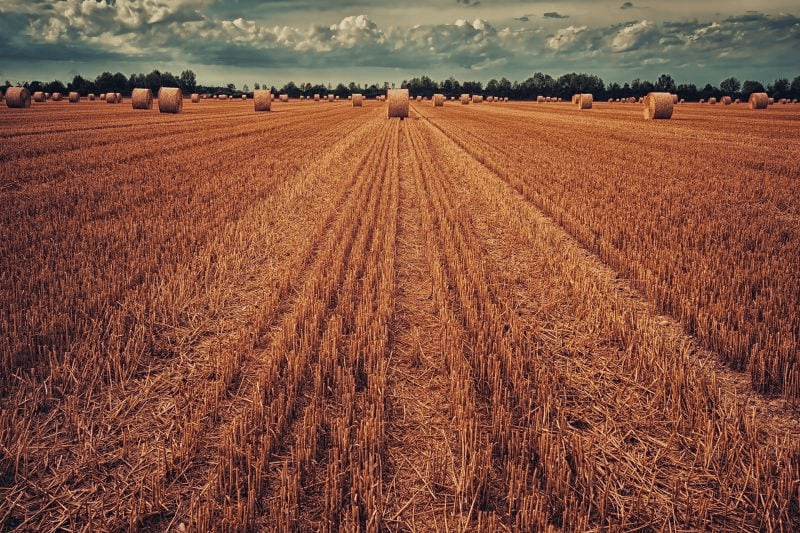
Exceptional Rainfall in 2024: A 41% Boost in Morocco’s Cereal Harvest and Food Security
In 2024, Morocco experienced record-breaking rainfall, increasing cereal production by 41%. This exceptional agricultural season not only strengthened national food security but also revived hope for farmers after years of drought. Discover the regions that benefited most, the economic impact, and how this climate event may influence the next planting season.
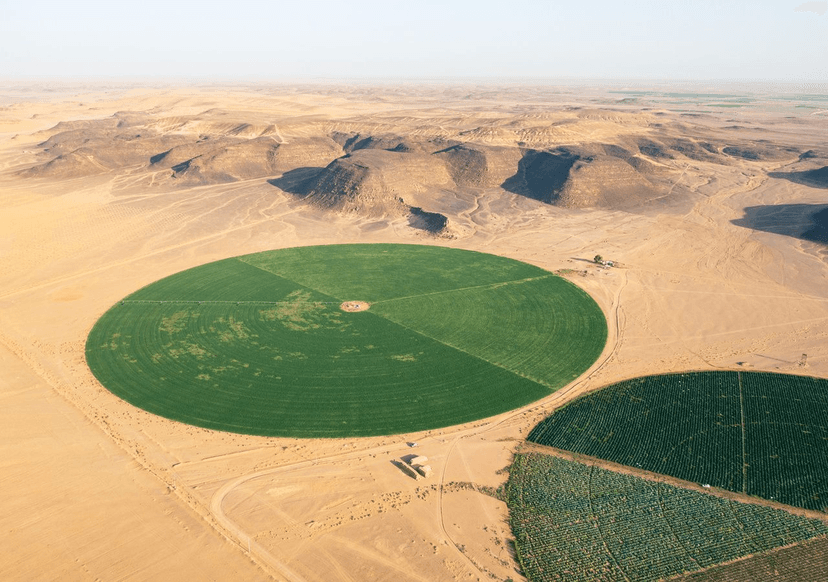
From Sand to Orchards: Regenerative Farming Transforms Morocco’s Desert into Green Oases
Thanks to regenerative agriculture techniques such as solar-powered water pumping, precision drip irrigation, and biochar soil enrichment, the 'Sand to Green' project is turning Morocco’s arid desert into fertile orchards. Learn how this sustainable approach is combating desertification, creating jobs, and supporting rural communities.